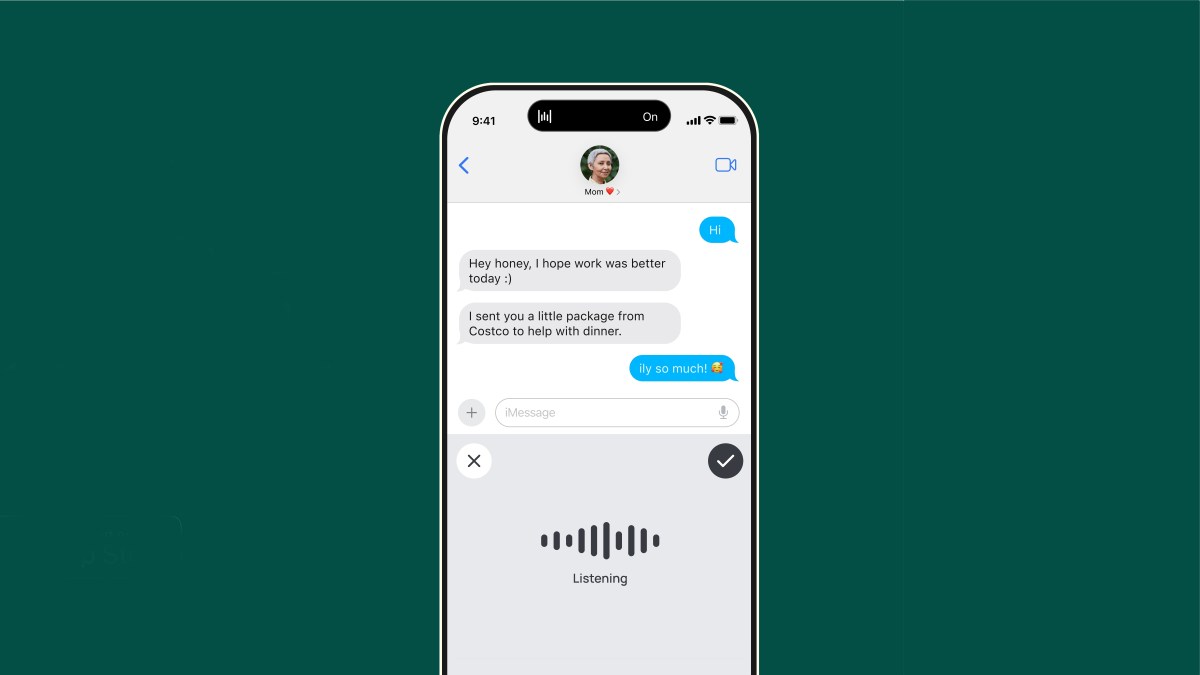
Tanay Kothari’s work on Wispr Flow is a useful reminder that technology is cultural too. The tools people use to speak, write and work can change who feels confident enough to take part.
Original source: TechCrunch – Wispr Flow releases iOS app in a bid to make dictation feel effortless
What is happening
TechCrunch reported on Wispr Flow’s iOS app and the company’s wider push to make voice dictation feel easier, faster and more natural. Co-founder Tanay Kothari described a journey that began with a wearable idea and developed into software aimed at helping people turn speech into text across everyday work.
For a media and community platform, this is more than a startup story. It points to a bigger shift in how people create, communicate and organise their lives. If voice tools become reliable, they can help people write messages, draft notes, capture ideas and reduce the friction that often stops a thought from becoming action.
The mobile image matters because this is where many people will meet the tool: not at a desk with perfect conditions, but on a phone, in motion, between commitments and conversations.
Why this matters for culture
Digital culture is not only about entertainment. It is about access. People who struggle with typing, spelling, fatigue, confidence, language switching or busy working patterns may find voice tools more natural than a blank screen. That can matter for students, entrepreneurs, presenters, volunteers, carers and people who have useful ideas but little time to formalise them.
There is also a creativity angle. Radio people already understand the power of voice. A strong voice tool can help someone turn a spoken reflection into a caption, a show note, a testimony, a script, a message to a mentor or the first draft of an article.
For Lifted Life, the important question is not whether every new app deserves attention. The question is whether a tool helps people communicate with more confidence and dignity.
The Lifted Life angle
Lifted Life is built around sound, story and hope. Voice technology sits naturally beside that mission when it helps people capture real stories without making the process feel intimidating. A listener might speak a testimony into their phone. A volunteer might record a community update. A presenter might draft a show intro while travelling.
That does not remove the need for care. AI-assisted tools still need human judgement, privacy awareness and proper editing. But used well, they can lower the barrier between a lived experience and a useful piece of communication.
What to watch next
The next test is whether tools like Wispr Flow can serve people beyond the early adopter crowd. Watch for support across accents, mixed languages, noisy environments and the real rhythms of daily life. Those details decide whether technology feels inclusive or just impressive.
For our readers, the takeaway is simple: the future of media may still begin with the oldest tool people have, the human voice.
Source and editorial note
This Lifted Life article is an original editorial digest and reflection based on the source linked above. It is written to help our readers understand the story, not to reproduce the publisher’s article. Read the original source for the full reporting, quotes and primary detail.