Faith, dignity and the call to care for people far from home.
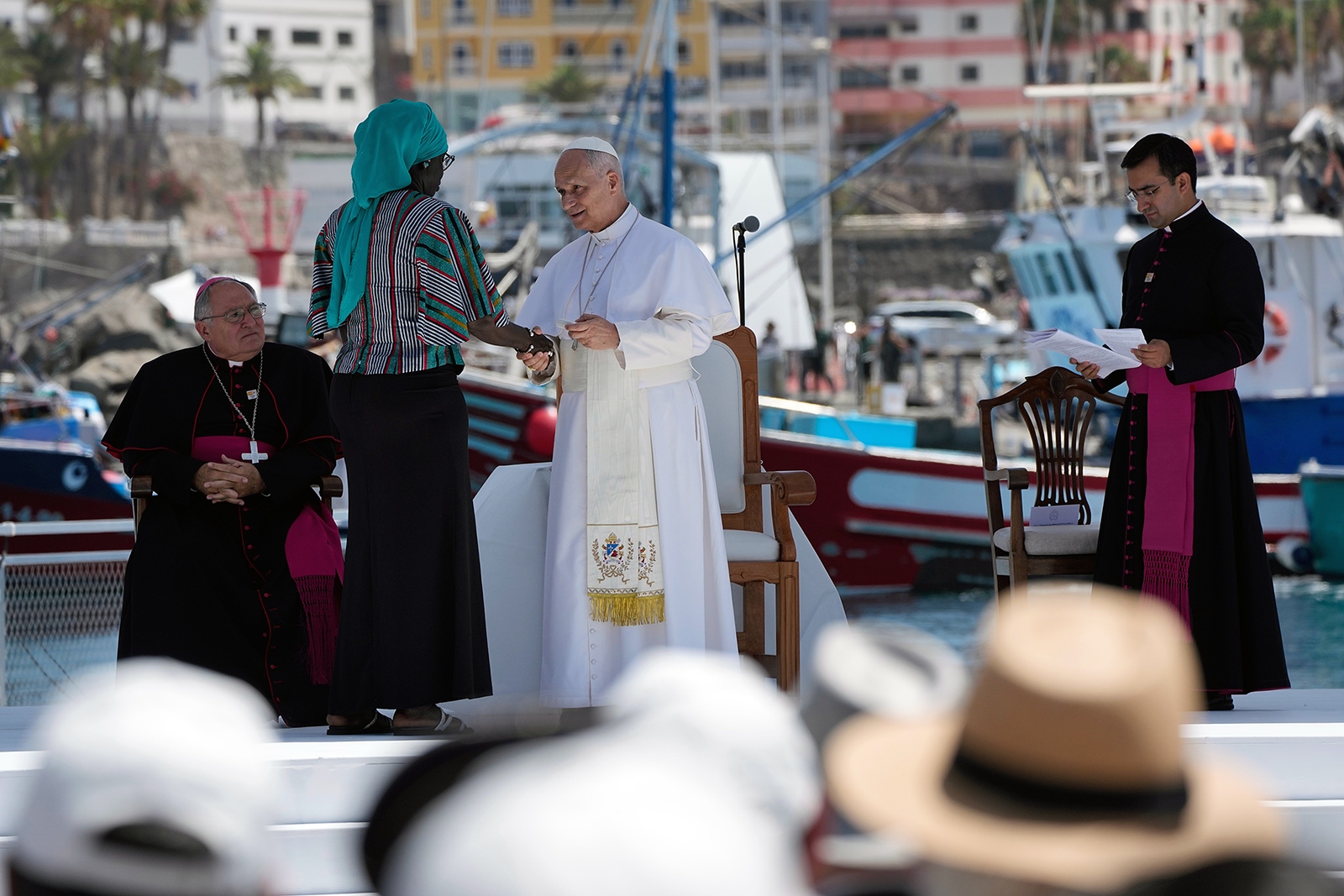
Pope Leo XIV’s appeal for migrants is more than a headline. It is a moral challenge to every community that says it believes in dignity, compassion and neighbourly care.
Speaking in the Canary Islands, a place that has become closely associated with dangerous migration routes into Europe, the Pope reminded the world that human worth is not decided by borders, paperwork, accent, income or nationality. His message matters because migration is too often discussed as a problem to manage rather than a human story to understand.
Why this matters to Lifted Life
For many families in Britain, migration is not distant politics. It is part of family history, church life, school life, work life and community identity. Across Black British, Caribbean, African and wider faith communities, there are people who know what it means to start again in a new place, to carry grief quietly, to work twice as hard to be accepted, or to feel misunderstood before anyone has heard their story.
That does not mean every discussion about migration is simple. Communities need fair systems, good safeguarding, housing that is not already stretched beyond capacity, proper local planning, language support, employment support and honest public conversation. But none of those practical needs should strip people of dignity. Good policy and human compassion are not enemies. They belong together.
Maria Bowen reflects on this story as a call for faith communities to be both tender and practical. Tenderness matters because people who arrive after trauma may not have the language, confidence or emotional space to explain what they have survived. Practical care matters because welcome becomes empty if it does not lead to signposting, friendship, food, prayer, safety, advice, transport, mentoring or help navigating local services.
Beyond the politics
The public debate can easily become loud, defensive and suspicious. A faith-led response should be different. It should ask better questions. Who is being spoken about but not listened to? Which children are carrying adult fears? Which families are isolated? Which neighbours are frightened of asking for help? Which churches, charities and community groups are already doing quiet work that deserves support?
When Lifted Life speaks about hope, it should not mean pretending that hardship is small. Hope is not denial. Hope is the decision to keep seeing the person in front of us, even when the systems around them are complicated. Hope asks what can be done today: a phone call, a warm meal, a lift to an appointment, a trusted contact, a safe conversation, a prayer, a referral, or simply someone who remembers your name.
Faith that becomes public care
The Christian tradition has always carried a serious responsibility towards strangers, widows, children, prisoners, the hungry and those pushed to the margins. That responsibility is not sentimental. It is demanding. It asks believers to hold together mercy, truth, order and courage.
For Lifted Life listeners and readers, this story invites a personal response. We can be careful with our words. We can refuse to share dehumanising language. We can support organisations that help families rebuild safely. We can notice people who are new to our area. We can also pray for leaders, social workers, teachers, volunteers, border staff, churches, charities and families trying to carry impossible pressure with limited resources.
The Pope’s appeal is not only about migrants arriving on European shores. It is about the kind of society we become when vulnerable people test the limits of our compassion. A community that protects dignity protects something sacred in itself.
Lifted Life reflection: Dignity is not a reward for having the right documents. It is the starting point for how we speak, serve, listen and build community.
Further reading
This Lifted Life reflection responds to public reporting from Religion News Service, Vatican News and Associated Press on Pope Leo XIV’s visit and appeal for migrants.